
What Is a Proactive EDR Service? Why SentinelOne Works When It's managed
A proactive EDR service is not just endpoint security software. It is a managed security approach that combines an advanced EDR solution like SentinelOne with human monitoring, policy tuning, alert review, threat response, and ongoing improvement.
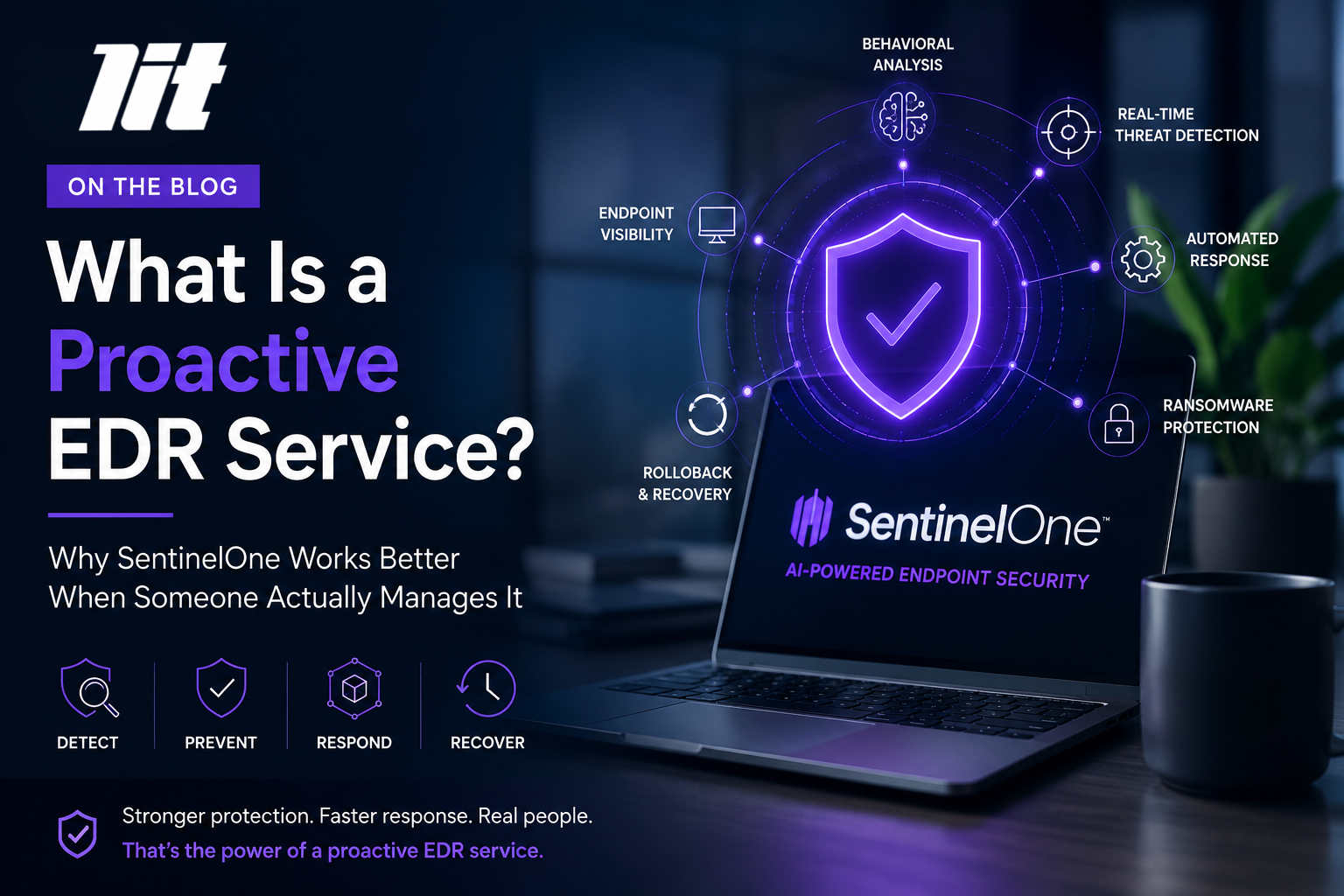
A proactive EDR service is not just endpoint security software. It is a managed security approach that combines an advanced EDR solution like SentinelOne with human monitoring, policy tuning, alert review, threat response, and ongoing improvement.
That distinction matters.
Many businesses still think endpoint protection means installing antivirus and hoping it catches the bad files. That model is outdated. Modern attacks do not always look like a virus. They can start with a stolen password, a malicious attachment, a fake invoice, a PowerShell command, or suspicious behavior from a trusted employee device.
That is where EDR - Endpoint Detection and Response - comes in.
But even EDR is not enough when nobody is responsible for managing it.
The Moment I Realized Antivirus Was Not Enough
The turning point for me was a simple sentence from a business owner:
We already have antivirus. Why would we need anything else?
At first, the question sounded reasonable. The company had laptops, Microsoft 365, shared files, accounting software, and a few remote employees. Everything looked normal from the outside. Antivirus was installed. Updates were running. No one had reported a major issue.
But then we looked closer.
One employee had opened a file that looked like a supplier document. Nothing dramatic happened. No big red warning. No locked screen. No ransom note. The computer kept working.
But in the background, something was not right. A process tried to contact an unfamiliar server. A script attempted to run. A few files were touched in a way that did not match normal user behavior.
Old antivirus looks mainly for known malicious files.
A proactive EDR service looks for suspicious behavior.
That is the difference.
The business owner did not need another dashboard. He needed someone to know what the alert meant, decide whether it was serious, isolate the device if needed, and make sure the same issue did not repeat across the company.
That is what proactive EDR is really about.
What Is EDR?
EDR stands for Endpoint Detection and Response.
An endpoint is usually a business laptop, desktop, or server. In practical terms, it is the device your employees use every day to access email, files, systems, customer data, and business applications.
An EDR solution monitors endpoint activity and helps detect suspicious behavior such as:
ransomware activity
unusual file changes
malicious scripts
suspicious login behavior
unknown processes
command-and-control communication
lateral movement attempts
malware that traditional antivirus may miss
SentinelOne EDR is designed to detect, block, and respond to threats in real time. It gives businesses stronger endpoint protection than traditional antivirus because it focuses not only on known threats, but also on behavior, automation, and response.
Antivirus vs EDR: The Simple Difference
Traditional antivirus asks:
Is this file known to be bad?
EDR asks a better question:
Is this device behaving in a dangerous way?
That is a major upgrade.
Old antivirus depends heavily on signatures and known malware patterns. It can still be useful as part of a security stack, but it is no longer enough for businesses that rely on cloud apps, remote work, sensitive data, and constant connectivity.
Modern attackers often avoid obvious malware. They use legitimate tools, stolen credentials, scripts, and social engineering. That means the threat may not look like a classic virus.
This is why businesses are moving from basic antivirus to EDR, managed EDR, and endpoint protection platforms like SentinelOne.
What Makes an EDR Service Proactive?
A proactive EDR service means the tool is not just installed and forgotten.
It means someone is actively responsible for making sure the protection is working, alerts are reviewed, policies are tuned, and real incidents receive real response.
At 1iT, a proactive EDR service around SentinelOne includes:
installation and deployment across business endpoints
security policy configuration
alert review and investigation
threat response and containment
isolation of infected or suspicious devices
ransomware protection and rollback support
ongoing tuning to reduce noise and improve protection
reporting and visibility for management
integration with the broader cybersecurity and backup strategy
This is the difference between buying a license and having a managed security service.
A SentinelOne license gives the company advanced endpoint protection.
A managed SentinelOne service makes sure that protection is actually operated correctly.
Why Business Owners Should Care
Most business owners do not want to manage EDR dashboards. They want to know that the business can keep working.
The risk is not only getting hacked. The real business risks are:
employees cannot access files
customer data is exposed
accounting or operations stop
devices need to be rebuilt
recovery takes days instead of hours
reputation is damaged
management loses control during the incident
A proactive EDR service reduces that risk because it gives the business earlier detection and faster response.
Instead of waiting until a ransomware message appears, the service focuses on catching suspicious behavior before it becomes a full business disruption.
Why IT Managers Should Care
For IT managers, EDR is about control and visibility.
Without EDR, the IT team may only know about an incident after users complain. With a managed EDR service, the team can see what happened, which device was involved, what process triggered the alert, and what action was taken.
That matters because security incidents are rarely isolated. One compromised endpoint can become the starting point for a wider issue.
A proactive EDR service helps IT teams answer critical questions faster:
Which endpoint was affected?
Was the threat blocked?
Did it spread?
Was the device isolated?
Are other devices showing similar behavior?
What should be changed in policy or user awareness?
For lean IT teams, this is especially important. Most internal IT teams are already overloaded with users, systems, licensing, cloud platforms, support tickets, and infrastructure. They do not have time to manually investigate every suspicious event.
Managed EDR gives them a stronger security layer without forcing them to become a full SOC.
Why AI Entrepreneurs and Startups Should Care
AI companies and fast-growing startups often move quickly. They connect tools, onboard users, test new systems, and handle sensitive data before the security structure is fully mature.
That speed creates risk.
A small AI startup may have source code, customer data, API keys, investor documents, product roadmaps, and internal knowledge spread across laptops, cloud drives, and SaaS tools. One exposed endpoint can create serious damage.
For AI entrepreneurs, proactive EDR is not just cybersecurity. It is operational discipline.
It protects the devices where the company's real value is created.
Where SentinelOne Fits
SentinelOne is a strong choice for businesses that need advanced endpoint security without relying only on old antivirus logic. It provides AI-powered endpoint protection, detection, response, and ransomware rollback capabilities.
But the value increases when SentinelOne is deployed and managed correctly.
That means:
every relevant endpoint is covered
policies match the organization's risk level
alerts are reviewed
threats are contained quickly
management understands what is happening
endpoint security connects with the rest of the security stack
You can learn more about the solution on the 1iT SentinelOne page: SentinelOne EDR/XDR endpoint protection
EDR Is One Layer, Not the Whole Security Plan
A strong EDR service is critical, but it is not the only layer.
Endpoint security should connect with broader cybersecurity planning, including identity management, email protection, firewall, awareness, monitoring, and incident response.
That is why EDR should be part of a broader cybersecurity strategy: Cyber Security for Business
There is also another important layer: backup.
Even with strong EDR, businesses still need reliable cloud backup and recovery planning. Good backup is what protects the business if files are deleted, encrypted, corrupted, or lost.
Endpoint protection reduces the chance of an incident.
Cloud backup improves the ability to recover if something still goes wrong.
Read more here: Cloud Backup for Business
What to Look for in a Proactive EDR Service
When comparing EDR services, do not only ask which product is being used.
Ask who manages it.
A strong proactive EDR service should include:
proper deployment
clear ownership
alert review
response procedures
endpoint isolation capability
ransomware protection
policy tuning
regular reporting
connection to backup and recovery planning
support from a team that understands business IT, not only cybersecurity tools
The goal is not to create another system for the business to manage.
The goal is to reduce risk, improve visibility, and respond faster when something looks wrong.
Final Thought: EDR Is Not a Product You Forget About
The biggest mistake businesses make with endpoint security is treating it like a one-time installation.
Install it. Pay for it. Forget it.
That approach does not work anymore.
A proactive EDR service gives businesses a stronger model: advanced endpoint protection, managed by people who know what to look for and how to respond.
For companies still relying on old antivirus, this is the next logical step.
For companies already using SentinelOne, the question is not only whether the license exists.
The real question is:
Who is managing the protection?
To see how SentinelOne can protect your business endpoints, visit: Learn more about SentinelOne
Related posts
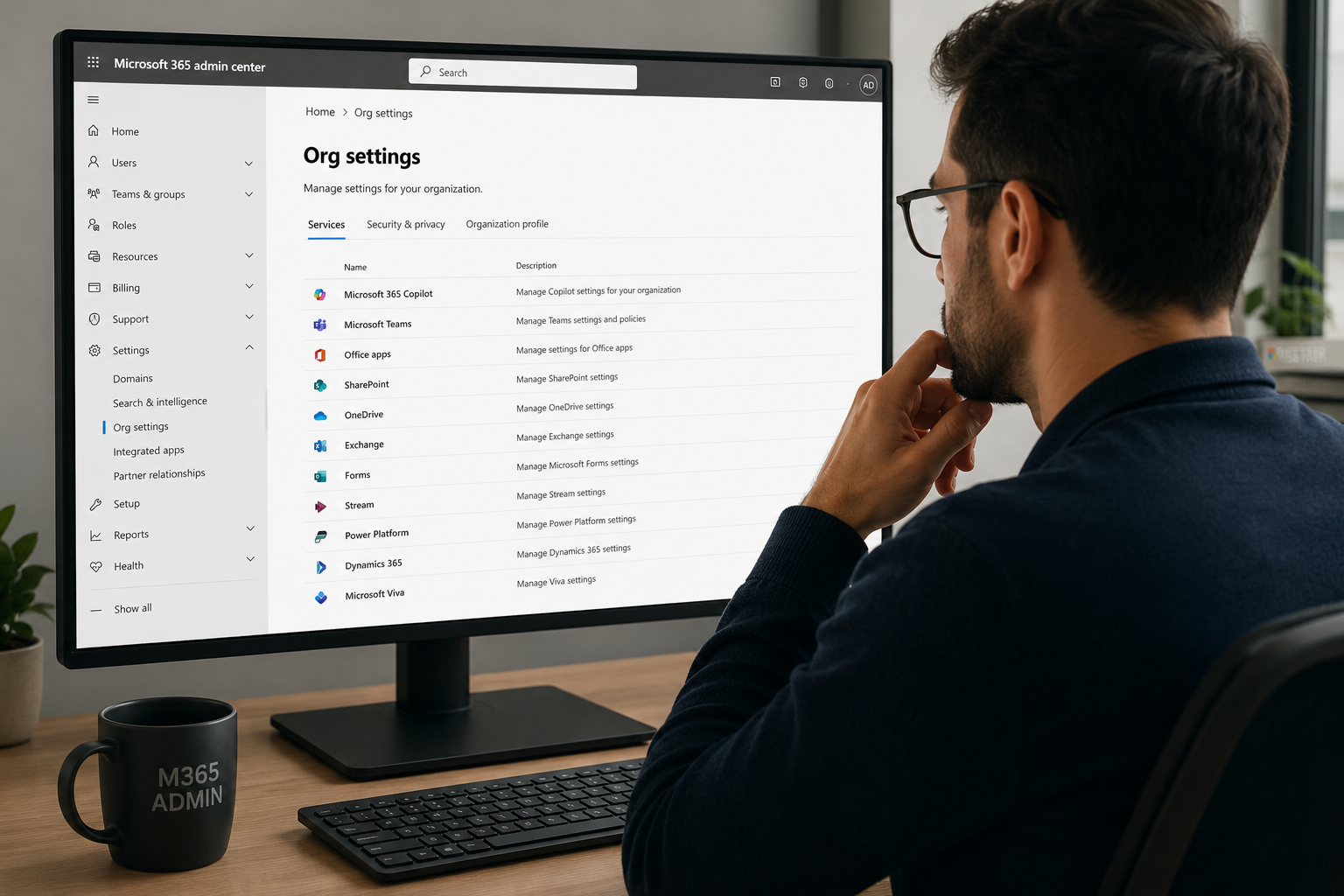
Microsoft 365 Security: 10 Settings Every Israeli Business Must Configure in 2026
Phishing, account takeover and Business Email Compromise are the #1 threat to Israeli businesses. A practical guide - 10 Microsoft 365 security settings that block most attacks before they start.
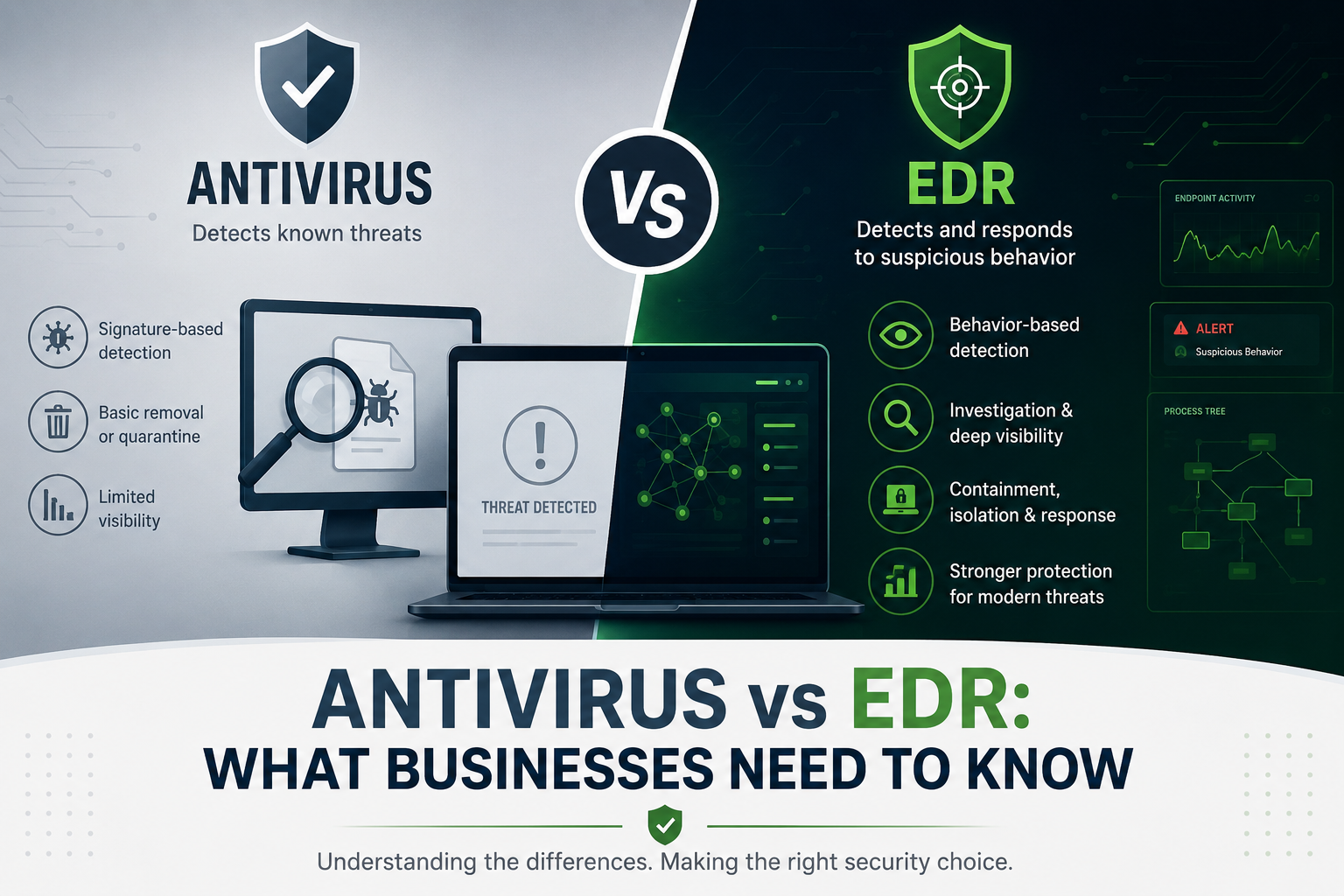
Antivirus vs EDR: What Businesses Need to Know
Antivirus and EDR are not the same. Learn how EDR improves endpoint security, why old antivirus is no longer enough, and when businesses should consider SentinelOne.
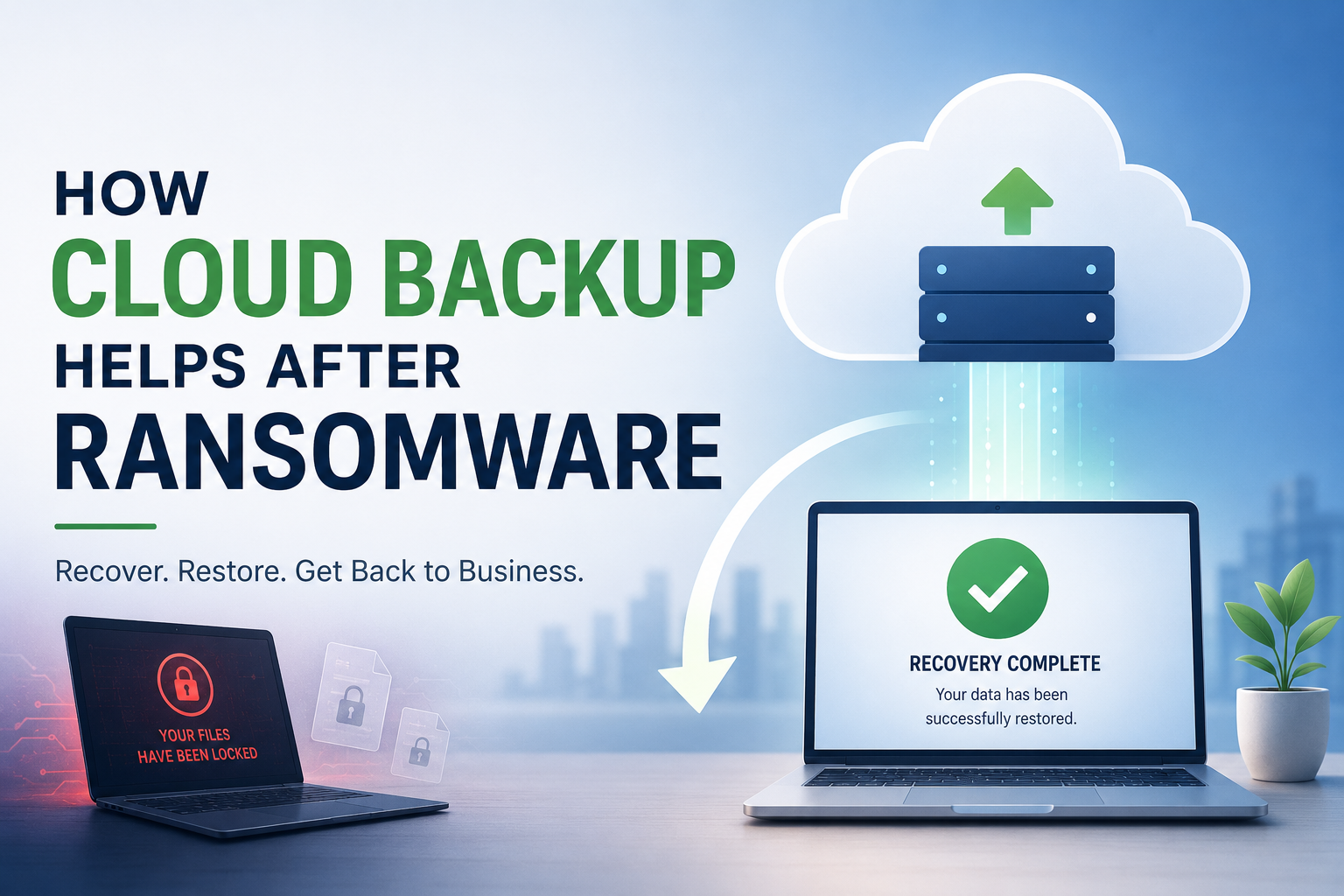
How Cloud Backup Helps After Ransomware
Cloud backup helps businesses recover after ransomware by restoring clean data, reducing downtime, and supporting business continuity when files are encrypted or deleted.